Follow Me On Social Media!


No Knead French Bread: The Best Baguette You’ll Ever Make

Introduction to No Knead French Bread (Baguette Recipe)
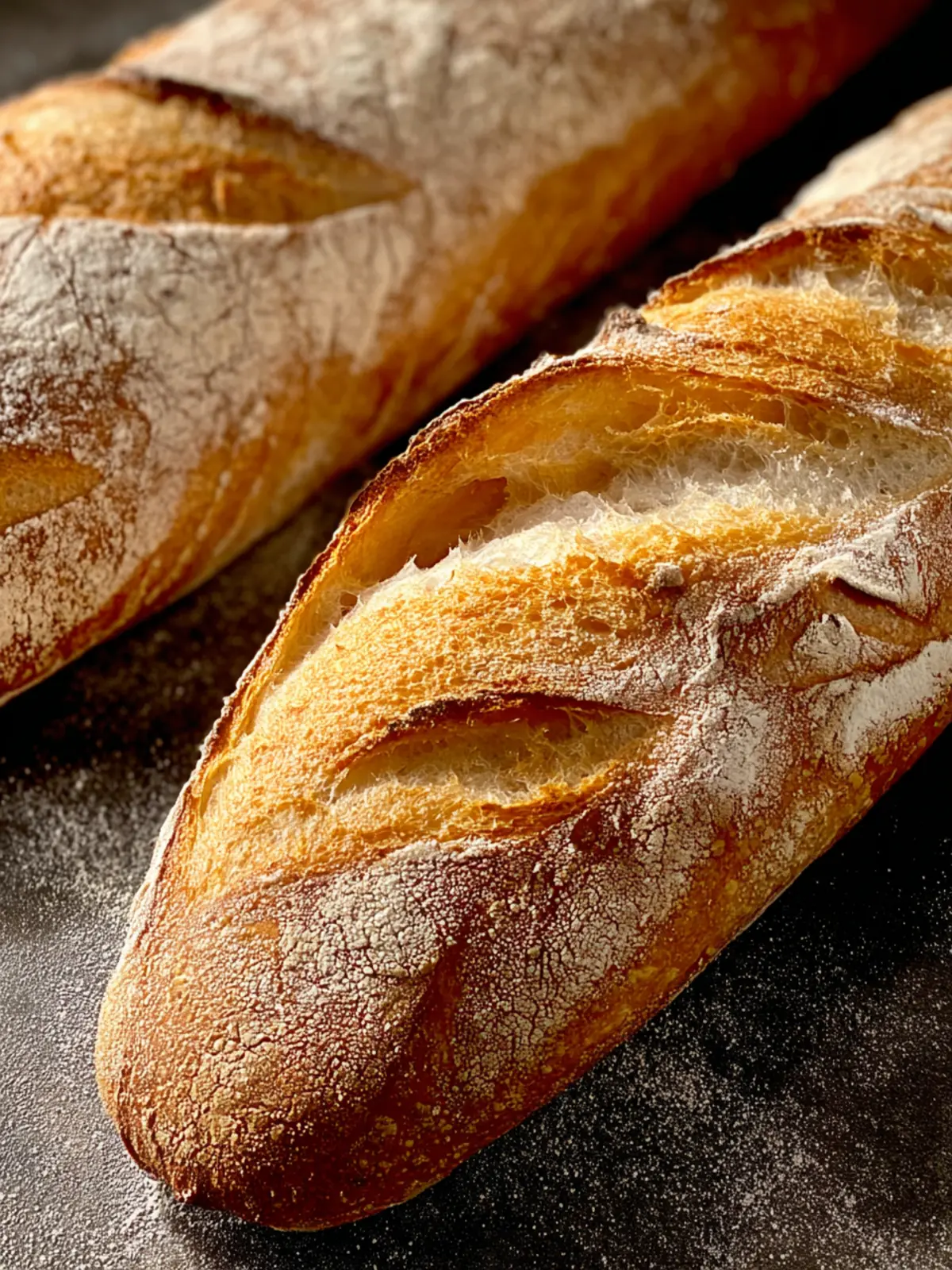
Baking becomes an adventure when you embark on the journey of making No Knead French Bread. The aroma that wafts through your kitchen as this beautiful baguette bakes is not just rewarding; it’s transformative. Imagine the delight of pulling a golden, crusty loaf from the oven, your heart racing with excitement, and your taste buds tingling in anticipation.
Cooking at home has a way of bringing us closer to our roots, and there’s something uniquely satisfying about crafting something as classic as a baguette. This no knead method offers incredible simplicity; it’s perfect for busy young professionals who cherish homemade delights but find little time for traditional bread-making techniques. You’ll find that this approach requires minimal hands-on time while delivering bakery-quality results.
The Joy of Homemade Bread
There’s a distinct joy in the process of making your own bread. The act of mixing flour, water, salt, and yeast feels whimsical. With no need for kneading, you can easily integrate this into your morning routine or after work, letting the dough rise as you go about your day. Once you realize that baking your own bread doesn’t require hours of fussing, it revolutionizes your perspective on what’s possible in your kitchen.
Why should you consider making No Knead French Bread? Here are just a few reasons:
- Simplicity: No experience? No problem! The straightforward method allows anyone to bake bread without special skills or equipment.
- Flavor: The long, slow fermentation process deepens the flavor, giving you a delicious crust and tender crumb that beats store-bought options.
- Customization: Want to add herbs or seeds? Go ahead! This recipe is your canvas.
With quick prep, little commitment, and delightful results, making your own No Knead French Bread is an experience worth savoring. Let’s dive into the ingredients and see how you can create this delightful loaf at home.
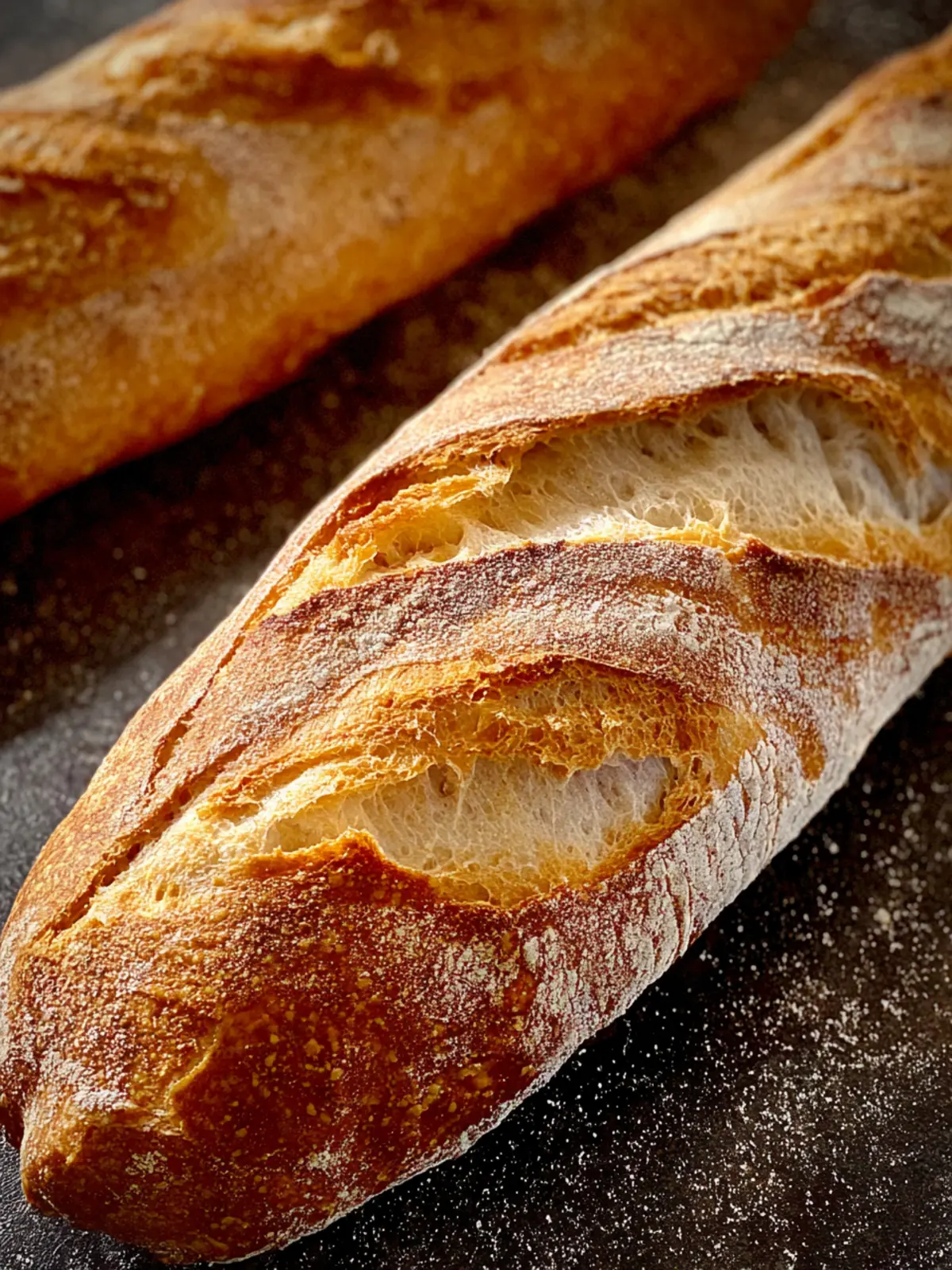
Key Ingredients for No Knead French Bread (Baguette Recipe)
Bread Flour: When crafting your No Knead French Bread, the quality of flour plays a vital role. I favor using bread flour because it has a higher protein content compared to all-purpose flour. This higher protein translates into a beautifully chewy texture, giving your baguettes that authentic French crunch. If bread flour isn’t available, all-purpose flour can be used, but the texture may differ slightly.
Salt: Salt isn’t just for flavor—it’s essential in strengthening the dough. I prefer using kosher salt as it dissolves easily and imparts a subtle taste without overpowering the bread’s flavor. Remember, for that perfect balance, avoid adding too much salt; just the right amount enhances the natural flavors.
Instant Dry Yeast: Opting for instant dry yeast means no proofing is required—just mix it right in! I find that it gives my No Knead French Bread a reliable rise. If you’re using active dry yeast, you may need to dissolve it in water first, but instant keeps things simple and effective.
Water: The temperature of your water can impact your dough’s fermentation. I use lukewarm water, about 100°F, to activate the yeast. This warmth helps the No Knead French Bread rise beautifully, resulting in a light, airy loaf. Too hot, and you risk killing the yeast; too cold, and fermentation slows down, which can lead to dense bread.
Why You’ll Love This No Knead French Bread
The beauty of No Knead French Bread lies in its simplicity. Imagine the delightful aroma of freshly baked bread wafting through your home, instantly elevating your mood and transforming your kitchen into a cozy café. This recipe offers an approach that allows you to embrace the art of bread-making without the hassle of traditional kneading techniques.
Minimal Effort, Maximum Flavor
With just a few basic ingredients, you’re well on your way to creating a crusty, golden baguette that boasts a chewy interior. Here’s why this recipe stands out:
-
Time-Saving: You mix the dough and let it rest, allowing it to develop flavor and structure naturally. No need to stand at the counter for hours kneading.
-
Impressive Results: Your homemade baguette will look bakery-fresh, boasting an artisan texture that might just win over your dinner guests.
-
Versatility: Use this bread as a base for sandwiches, serve it with a delightful soup, or simply enjoy it fresh with butter. It’s suited for myriad occasions and toppings.
By the end of your baking adventure, you’ll have a stunning loaf of No Knead French Bread that tastes as though you’ve spent the entire day crafting it. Embrace the process, and enjoy every moment!
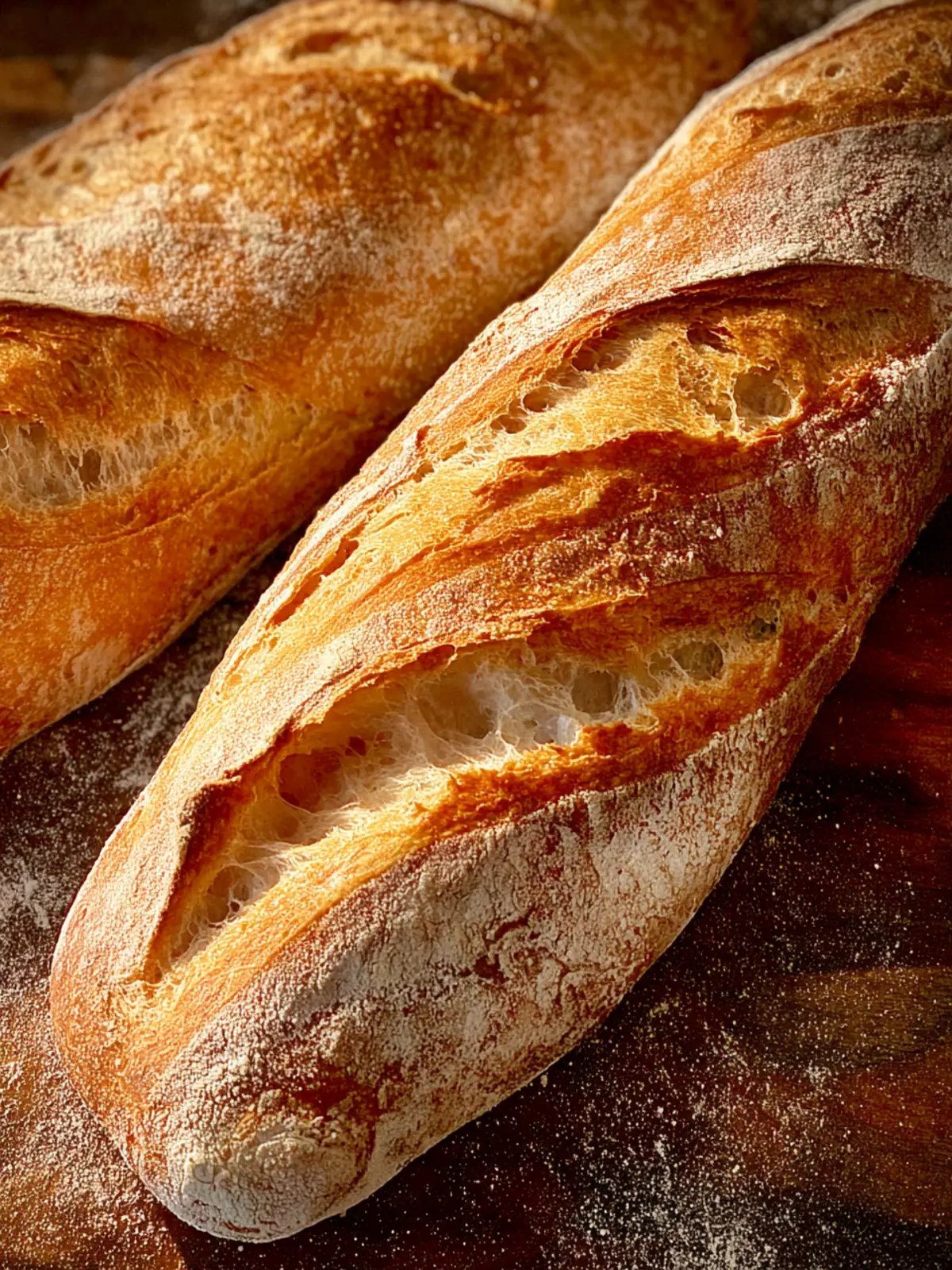
Variations for No Knead French Bread
Exploring No Knead French Bread variations can elevate your baking game and impress your friends at your next dinner gathering. These simple tweaks will add flavor and excitement to the classic baguette without altering the fundamental recipe.
Herb-Infused Baguettes
To create herb-infused baguettes, simply add your favorite dried herbs—such as rosemary, thyme, or oregano—to the dough during the mixing stage. A teaspoon of garlic powder can also add a delightful depth. The result? A fragrant loaf that pairs beautifully with olive oil for dipping or as a side for pasta dishes.
Cheese-Stuffed Baguettes
Transform your No Knead French Bread into a cheesy delight by incorporating cheese into the dough. Consider adding shredded mozzarella, gouda, or even crumbled feta. For an extra burst of flavor, swirl in some pesto before baking. This variation is perfect for family movie nights or serving as a snack during gatherings.
Whole Wheat Dough Variation
If you’re looking for a healthier twist, try using whole wheat flour in your No Knead French Bread recipe. Substitute about half of the all-purpose flour with whole wheat flour. This not only boosts the nutritional value but also adds a nutty flavor. Keep in mind that whole wheat flour may require a bit more hydration, so adjust the water content accordingly.
By experimenting with these variations, you can turn your homemade baguette into something new and exciting each time you bake!
Cooking Tips and Notes for No Knead French Bread
Importance of Dough Temperature
Crafting the perfect No Knead French Bread begins with understanding dough temperature. Ideally, your water should be around 90°F to 110°F. This warm water encourages yeast activity, helping the bread rise beautifully. If your surroundings are too cold, it can slow down fermentation, leading to dense bread. On the other hand, too hot water can kill the yeast, so precision is key!
Steam Baking for the Perfect Crust
Achieving that crispy crust is a highlight of No Knead French Bread. One of the best methods is steam baking. Adding a pan filled with hot water to your oven during the first few minutes of baking creates steam, which keeps the crust soft while the bread expands. After this initial steaming phase, the crust will harden beautifully, giving you that sought-after crusty exterior.
Proofing Duration Considerations
Proofing time can significantly influence your bread’s flavor and texture. While the recipe suggests a specific proofing duration, don’t be alarmed if you need to adjust it based on temperature and humidity in your kitchen. If it’s warm, a shorter time may suffice, whereas cooler conditions might require a little longer. Trust your instincts—you want the dough to double in size, bubbling with promise before baking.
Embrace these tips, and you’ll find baking No Knead French Bread to be both rewarding and delightful!
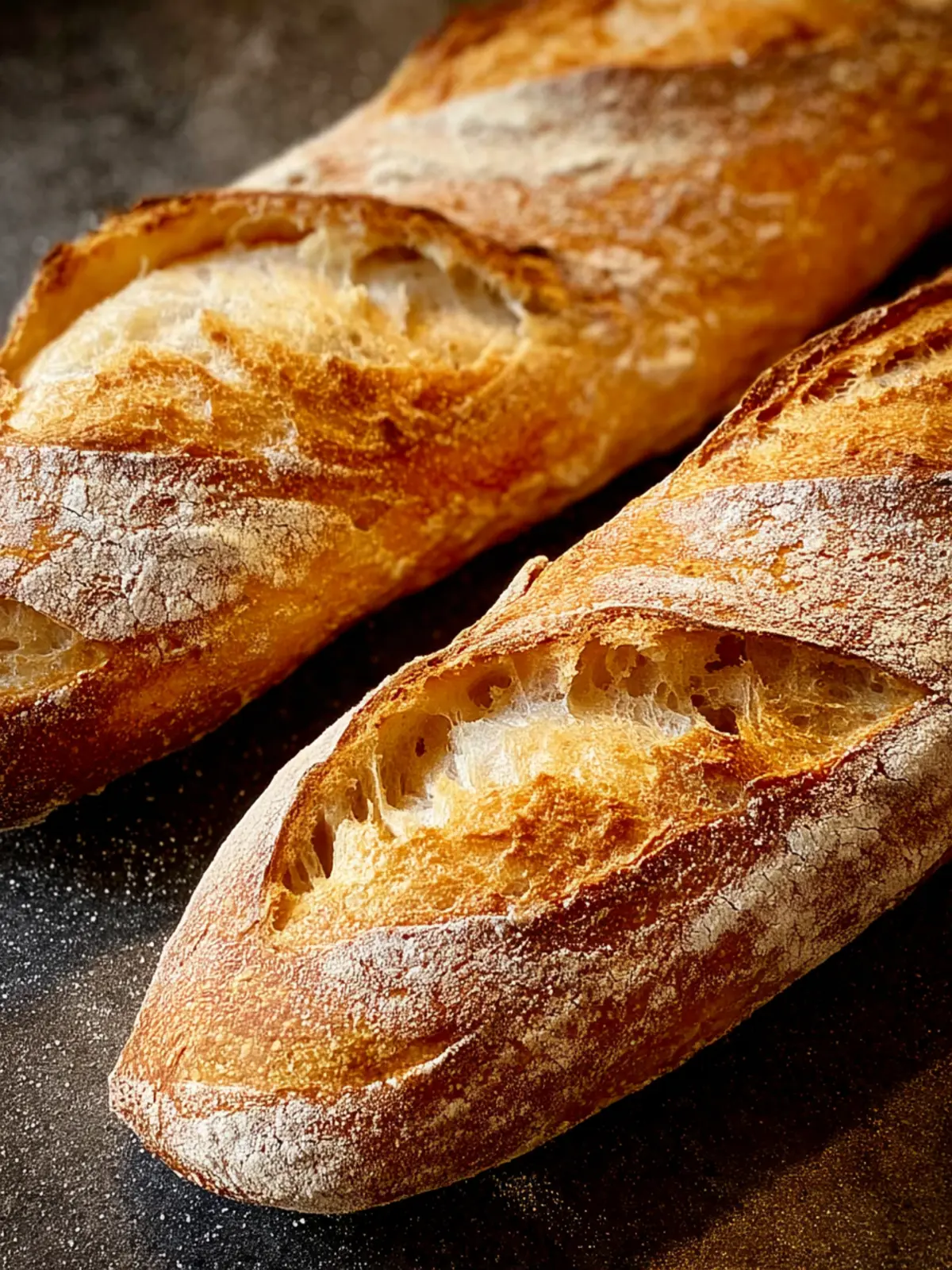
Serving Suggestions for No Knead French Bread
When you whip up a batch of No Knead French Bread, the magic doesn’t stop once the loaves cool. This delightful baguette is just waiting for you to explore its culinary potential!
Pairing with Soups and Stews
Imagine a cozy evening with a bowl of hearty minestrone or a fragrant seafood stew. Slice your No Knead French Bread and use it to soak up every last drop of broth. The crusty exterior complements rich, savory soups beautifully, making each bite an experience.
Turn into Delicious Sandwiches
Feeling adventurous? Transform your freshly baked No Knead French Bread into brilliant sandwiches. Slice it lengthwise, pile in your favorite deli meats, cheeses, and veggies, and you’ve got a masterpiece. Whether it’s a classic turkey or a gourmet veggie option, this bread will elevate any sandwich to new heights.
Enjoy with Dips and Spreads
Bring your No Knead French Bread to your next gathering and pair it with a selection of dips and spreads. Think creamy hummus, zesty guacamole, or even a velvety smoked salmon spread. The bread’s texture is perfect for scooping, making it a hit with friends and family alike.
Let your creativity shine, and enjoy every bite!
Time Breakdown for No Knead French Bread
When you dive into making No Knead French Bread, an adventure in baking unfolds right in your kitchen. The simplicity of this recipe pairs beautifully with the aromatic allure of freshly baked bread. Here’s a quick breakdown to help you plan your baking day effortlessly.
Preparation Time
Allocate about 15 minutes for mixing your ingredients and getting everything ready. It’s just enough time to feel excited without feeling rushed.
Rising Time
Patience is key here! Let your dough rise for approximately 12 to 18 hours. Yes, you read that right—this long rise is what gives the bread its incredible flavor and texture.
Baking Time
Once the dough has risen, preheat your oven and bake the bread for about 30 to 35 minutes. You’ll be greeted by a lovely golden crust as it bakes.
Total Time
In total, you’re looking at approximately 13 to 19 hours and 50 minutes. It may seem long, but most of that time is hands-off while you wait for the magic to happen!
Enjoy the journey of creating delicious No Knead French Bread that will impress your friends and family.
Nutritional Facts for No Knead French Bread
When you dive into making No Knead French Bread, you not only savor the delightful aroma wafting through your home but also get to enjoy some impressive nutritional benefits. Here’s a quick breakdown of what you’re fueling your body with:
Calories
Each slice of No Knead French Bread contains approximately 120 calories. It’s a manageable number that allows you to indulge without much guilt.
Carbohydrates
One serving serves up about 25 grams of carbohydrates. This makes it a perfect source of quick energy, whether you’re enjoying it during breakfast or as a lunch side.
Protein
With around 4 grams of protein per slice, No Knead French Bread offers a modest boost, making it versatile enough to pair with proteins or spreadable toppings.
Sodium
At only 200 milligrams of sodium per slice, this bread keeps things balanced. Being lower in sodium helps you maintain a healthier heart while still enjoying your favorite carbs.
This bread isn’t just a treat for your taste buds—it’s a great addition to any meal, providing comfort and nutrition in one beautiful loaf!
FAQs About No Knead French Bread
No Knead French Bread is a delightful recipe that’s been a game-changer in my kitchen. It allows anyone to craft a beautiful baguette without spending hours in the kitchen. If you find yourself with questions while trying your hand at this easy bread-making method, you’re in the right place!
Can I use all-purpose flour instead?
Absolutely! While bread flour is ideal for achieving that chewy crust and airy crumb characteristic of a traditional baguette, all-purpose flour works just as well for No Knead French Bread. The key difference is the protein content; bread flour has a higher protein level, which can contribute to better gluten development. So, if all you have at hand is all-purpose flour, don’t hesitate to use it. You’ll still get a delicious loaf!
Why does my dough not rise as expected?
Encountering a less-than-perfect rise can be frustrating, but there are a few reasons this might happen. Ensure that your yeast hasn’t expired, as active yeast is essential for fermentation. Also, the dough needs to be kept in a warm, draft-free environment to rise properly. If your kitchen is particularly cold, consider placing the dough in an oven with just the light on, creating a cozy atmosphere for it to rise beautifully.
How do I store leftover baguettes?
Leftover baguettes can be tricky, but storing them properly will keep their deliciousness intact! Wrap your No Knead French Bread in a clean kitchen towel and then place it in a paper bag. This method allows the bread to breathe and helps maintain its crust. If you find yourself with too much bread, consider slicing it and freezing the pieces. Just toast them or warm them in the oven when you’re ready for a snack!
Conclusion on No Knead French Bread
Creating your own No Knead French Bread can become a delightful ritual that elevates any meal. Picture the golden-crusted baguette, its exterior crackling beautifully as you slice into it, revealing a tender, airy crumb inside. The simple method involves minimal effort, making it perfect for young professionals balancing busy lives. Remember, patience is key—allowing the dough to rise overnight does wonders for flavor. Whether enjoyed fresh with butter or as the base for a classic sandwich, this bread promises satisfaction. So, get ready to impress your friends and family with a homemade loaf that tastes like it came from a French bakery!
Print
Homemade Baguettes
- Total Time: 2 hours 60 minutes
- Yield: 2-3 baguettes 1x
- Diet: Vegetarian
Description
Delicious homemade baguettes that are crispy on the outside and soft on the inside.
Ingredients
Scale
- 3 ½ cups bread flour
- 2 teaspoons salt (I use kosher salt)
- 1 teaspoon instant dry yeast
- 1 ⅓ cup slightly warm water (I use tap water)
Instructions
- Put 3 ½ cups bread flour in the bowl of the food processor.
- Add 2 teaspoons salt on one side and 1 teaspoon instant dry yeast on the other, you don’t want them to touch for now.
- Cover with the lid and begin to process at medium/high speed.
- Add 1 ⅓ cup slightly warm water through the feed tube as you begin counting 20 seconds. Either do it out loud or use the phone timer. You’re going to see the dough starts to come together.
- Stop the machine after 20 seconds and see that it is not dry. It should be rough; make sure there are no spots of flour at the bottom. If it is dry, add 1 more tablespoon of tepid water.
- Cover the bowl back and now process for 25 more seconds. It should be 45 seconds in total.
- Transfer the dough to a dry bowl, cover it with plastic wrap, and put it in a warm spot or place for 2 hours. The dough rise will be very little; it will not double as with a classic kneaded dough, and that is fine.
- Dump it onto a lightly floured counter, and divide it into 2 or 3 pieces.
- With each piece, make some rough buns by cupping them with both hands until you have a smooth surface, cover them with a clean kitchen towel or loose piece of plastic wrap, and leave them alone for 20 minutes.
- Flatten each piece of dough on the counter (flour it lightly if needed) and shape them into baguettes. I like to make them shorter and thicker.
- Put them on an oven sheet pan lightly sprinkled with flour, polenta or oatmeal on the bottom, and dust the bread pieces with a bit of flour. Cover with a clean kitchen towel and let stand for 40 minutes.
- About 15 minutes before baking, turn on the oven at 450°F (230°C). Have ready a roasting pan and a kettle of boiling water.
- When the 40 minutes are almost over, put the roasting pan on the bottom rack of the oven and carefully fill it halfway with hot water. Close the oven door quickly. This creates steam that is great for developing oven spring that gives the dough a rapid burst of rise at the beginning, and helps to form a crackly crust.
- Make 3 cuts or slits to each loaf with a lame or a very sharp kitchen knife, and immediately put it in the oven.
- Bake for 25-30 minutes, until golden brown and they sound hollow if you turn them over and lightly tap the bottom with your fingers.
Notes
- For a crispier crust, use a baking stone if you have one.
- If you don’t have a lame, a sharp knife works just fine for scoring the loaves.
- Find where to buy a lame online in the Notes section.
- Prep Time: 30 minutes
- Cook Time: 30 minutes
- Category: Breads
- Method: Baking
- Cuisine: French
Nutrition
- Serving Size: 1 baguette
- Calories: 150
- Sugar: 0g
- Sodium: 450mg
- Fat: 1g
- Saturated Fat: 0g
- Unsaturated Fat: 0g
- Trans Fat: 0g
- Carbohydrates: 30g
- Fiber: 1g
- Protein: 5g
- Cholesterol: 0mg