Follow Me On Social Media!

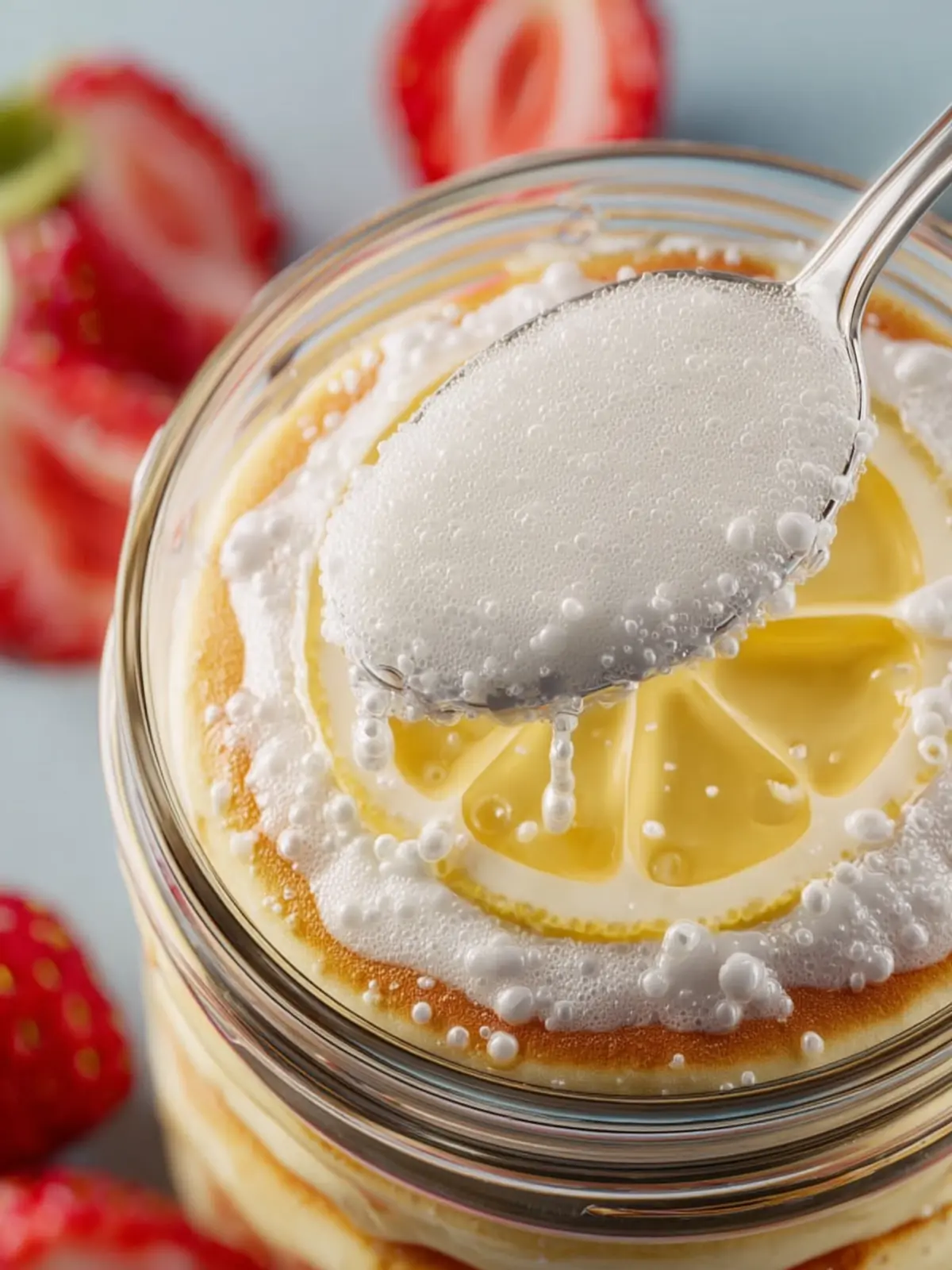
Vegan Buttermilk Magic: Easy, Creamy & Guilt-Free Delights

Introduction to Vegan Buttermilk
Imagine standing in your kitchen, a gentle aroma of baked goods wafting through the air, as you prepare to make your favorite treat. That’s where vegan buttermilk comes into play. This magical ingredient enhances the flavor and texture of various dishes, making it a must-have in the plant-based culinary world. With its creamy texture and zesty notes, vegan buttermilk not only substitutes traditional buttermilk but elevates your recipes to a whole new level.
What keeps people coming back for more is that vegan buttermilk is incredibly easy to make and incredibly versatile. In essence, it combines plant-based milk, like almond or soy, with an acidic agent, such as lemon juice or apple cider vinegar. This simple interplay of ingredients creates a tangy flavor that mimics traditional buttermilk, which is essential for achieving that perfect fluffy pancake or moist cake.
Whether you’re aiming for lighter baked goods, tasty marinades, or even creamy dressings, vegan buttermilk can seamlessly integrate itself into various dishes. There’s something satisfying about mixing up a quick batch and knowing you’re keeping your meals entirely plant-based without sacrificing taste or texture.
But what makes vegan buttermilk so special? Here are a few highlights:
- Accessibility: You don’t need to run to the store. Chances are, you already have the ingredients in your kitchen, making it a go-to solution for last-minute baking.
- Health Benefits: Using almond or oat milk can offer additional nutritional advantages compared to traditional dairy, such as lower calories and fats.
- Customizable: You can easily adjust the flavor or richness based on the type of plant-based milk you choose.
- Sustainable and Ethical: By opting for vegan buttermilk, you’re making a more compassionate choice that aligns with environmentally friendly practices.
So next time you’re ready to whip up a delightful batch of pancakes or muffins, don’t forget to incorporate the magic of vegan buttermilk. It’s the secret ingredient that will make your dishes shine with flavor and texture!
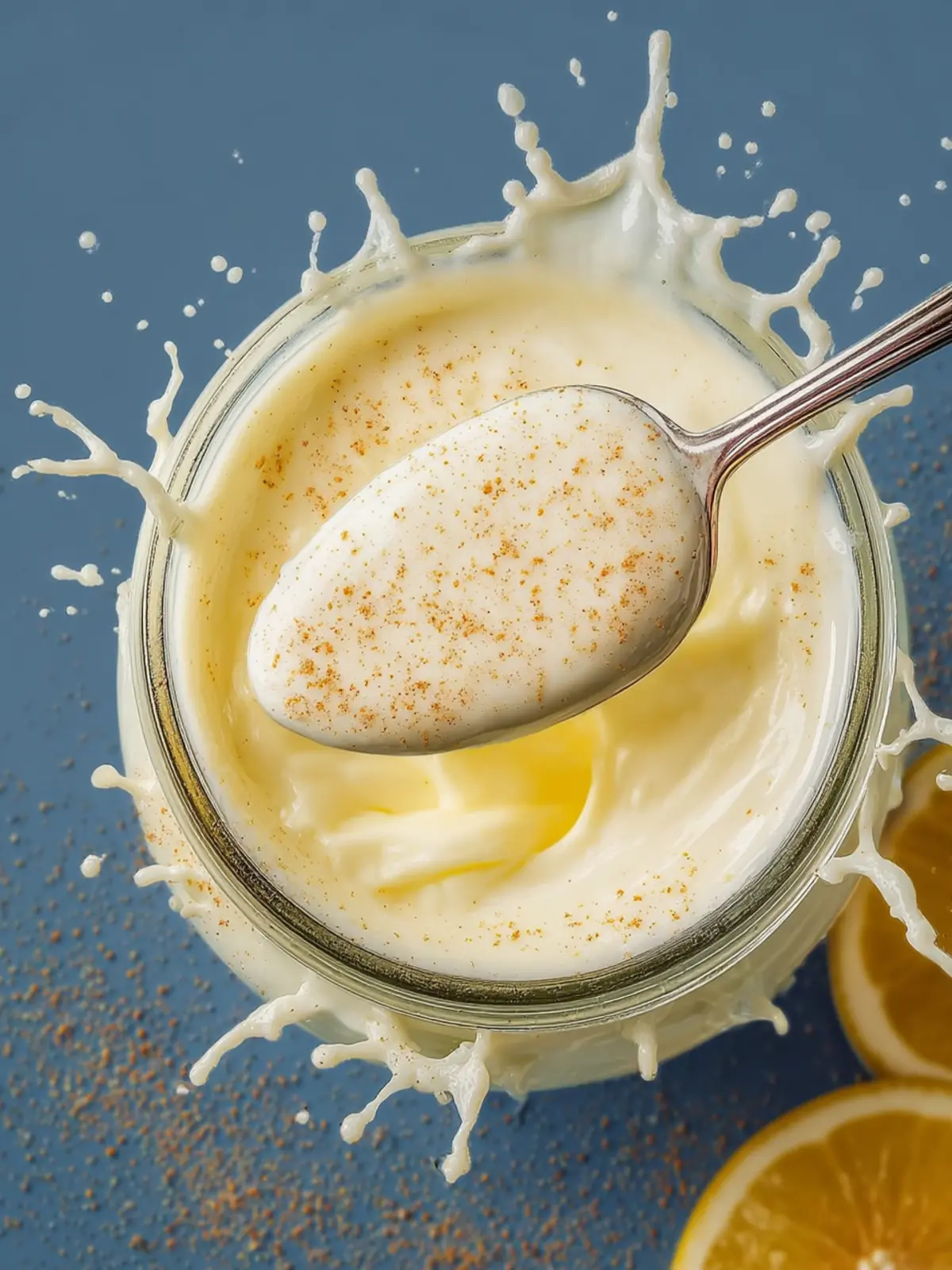
Key Ingredients for Vegan Buttermilk
Vegan buttermilk is a game-changer, elevating your plant-based recipes with its unique tanginess and creaminess. This substitute not only enhances flavor but also adds moisture, making it essential for pancakes, dressings, and baked goods. Let’s explore the key ingredients that make this plant-based marvel a reality.
-
Plant-based Milk: Use any unsweetened plant-based milk, like almond, soy, or oat milk, as the base. Almond milk gives a neutral flavor, while oat milk provides creaminess. This is your canvas!
-
Acidic Element: A splash of apple cider vinegar or lemon juice is crucial. It reacts with the milk, creating a delightful tang similar to traditional buttermilk. Don’t skip this step; it’s what makes your vegan buttermilk special!
-
Sweetener: A teaspoon of maple syrup or agave can help balance flavors, providing subtle sweetness for recipes where you want a hint of sugar without overpowering the dish.
Mix these ingredients together, and you’ll discover a simple yet effective vegan buttermilk perfect for all your culinary adventures!
Why You’ll Love This Vegan Buttermilk
Creating a rich, creamy vegan buttermilk is like unlocking a culinary secret. Imagine the excitement of transforming ordinary recipes into something extraordinary with just a simple mix. This plant-based alternative is not only easy to make, but it also elevates your dishes, giving them that delightful tang and texture reminiscent of traditional buttermilk.
Simple Ingredients, Magnificent Results
You don’t need a dozen obscure ingredients to whip up this vegan delight. All you need is:
- Non-dairy milk: Whether you prefer almond, soy, or oat milk, it’s your choice! The beauty of this vegan buttermilk is that it can adapt to whatever you have on hand.
- Acid: A splash of lemon juice or apple cider vinegar works perfectly to create that classic buttermilk tang. It’s remarkable how a tiny amount can redefine flavor profiles.
When these two ingredients mingle, magic happens. In just a few minutes, you’ve made a versatile vegan buttermilk that can enhance pancakes, muffins, or salad dressings.
Creative Culinary Adventures
Using vegan buttermilk can take your cooking from basic to brilliant. Straying from dairy not only aligns with a plant-based lifestyle, but you’ll also feel good knowing that you’re making compassionate choices for your health and the environment. Plus, there’s something rewarding about experimenting with familiar recipes, proving that plant-based doesn’t mean sacrificing flavor. Give it a try; you’ll quickly see why this vegan buttermilk will become a staple in your kitchen!
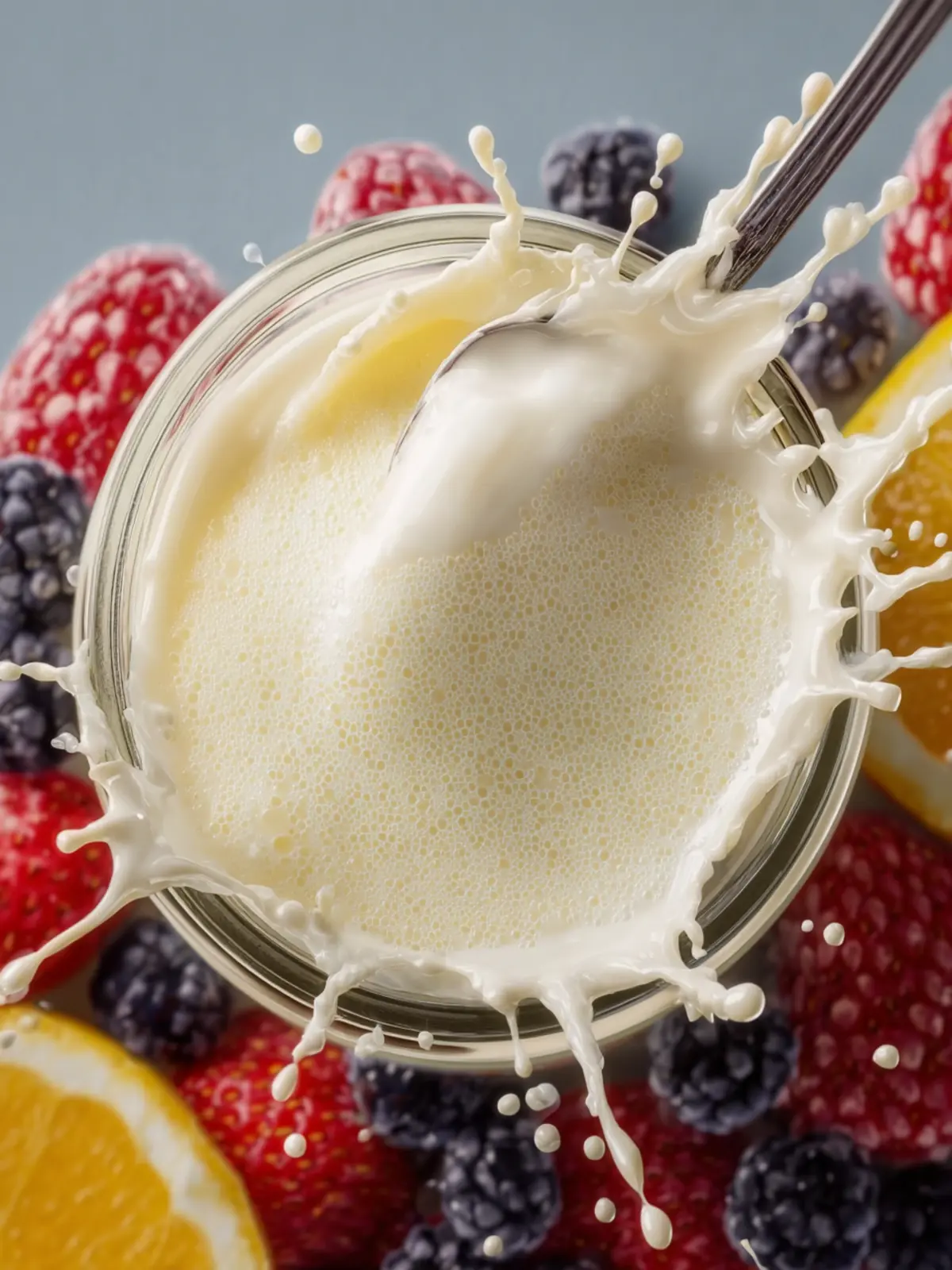
Cooking Tips and Notes for Vegan Buttermilk
Crafting vegan buttermilk is a simple and fun process that can transform your plant-based dishes. Understanding a few key tips can elevate your culinary experience, making it a breeze to whip up.
Choosing the Right Non-Dairy Milk
Selecting a non-dairy milk is crucial for your vegan buttermilk. Almond, soy, or oat milk are fantastic options, but always opt for unsweetened varieties to keep flavors intact. If you have the chance, taste-test a few to find your favorite!
Optimizing Acidity
The key to that tangy flavor lies in the acidity. Instead of using vinegar, which is common, try lemon juice or apple cider vinegar. Just a tablespoon combined with your non-dairy milk will create the perfect acidity balance. Remember, the fresher the lemon, the better the flavor!
Let It Rest
Give your vegan buttermilk a good 5-10 minutes to rest before using it in recipes. This waiting period allows the non-dairy milk to thicken and curdle slightly, mimicking the texture of traditional buttermilk and enhancing the moisture levels in your final dish.
By keeping these tips in mind, you’re well on your way to mastering the art of vegan buttermilk. Happy cooking!
Serving Suggestions for Vegan Buttermilk
Vegan buttermilk is a versatile ingredient that can elevate many dishes, making them as delicious as they are plant-based. Picture yourself whipping up fluffy pancakes on a lazy Sunday morning or treating your friends to a cozy vegan biscuit brunch; this creamy concoction is your secret weapon.
-
Pancakes and Waffles: Mix it into your pancake or waffle batter for a soft, tender texture. The tanginess of vegan buttermilk balances perfectly with sweet maple syrup.
-
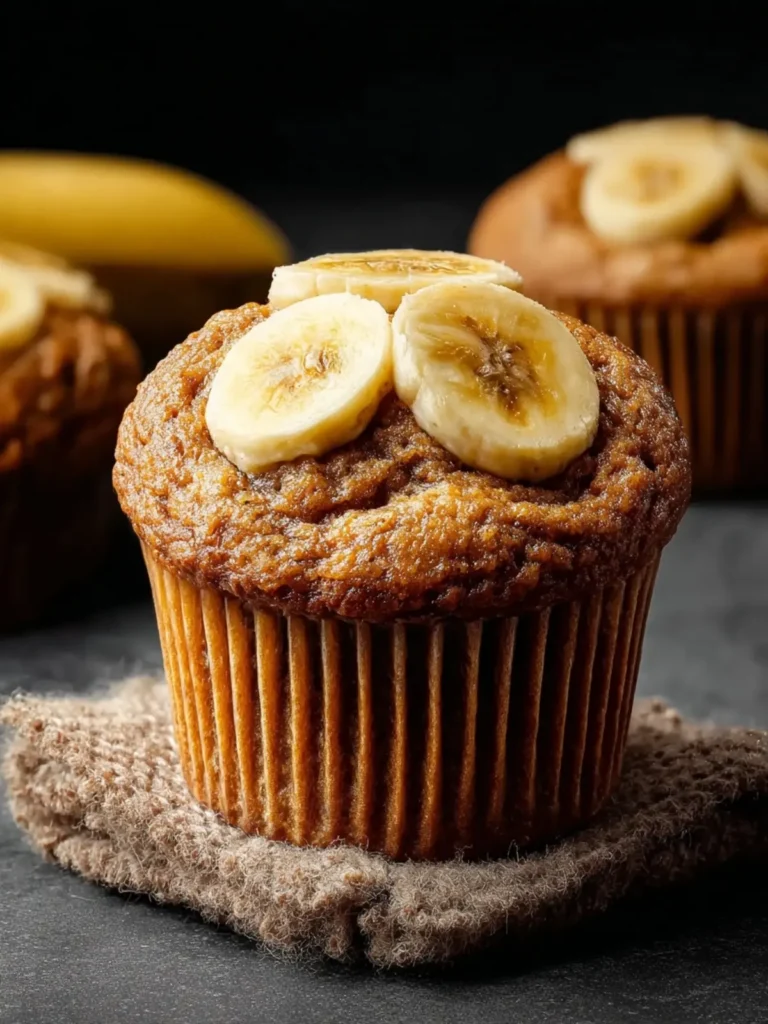
Baking Treats: Use it in muffins, quick breads, and cupcakes to achieve moistness and a light crumb. I’ve often turned to vegan buttermilk when baking banana bread, and the result is always a hit!
-
Savory Dishes: Incorporate vegan buttermilk into batters for savory fritters or tempura veggies. The acidity helps create a wonderfully crispy texture.
-
Salad Dressings: Whisk it into your homemade dressings for a creamy touch without the dairy.
Where have you used vegan buttermilk? Get creative and let your culinary instincts guide you, as this ingredient is sure to impress, whatever the dish.
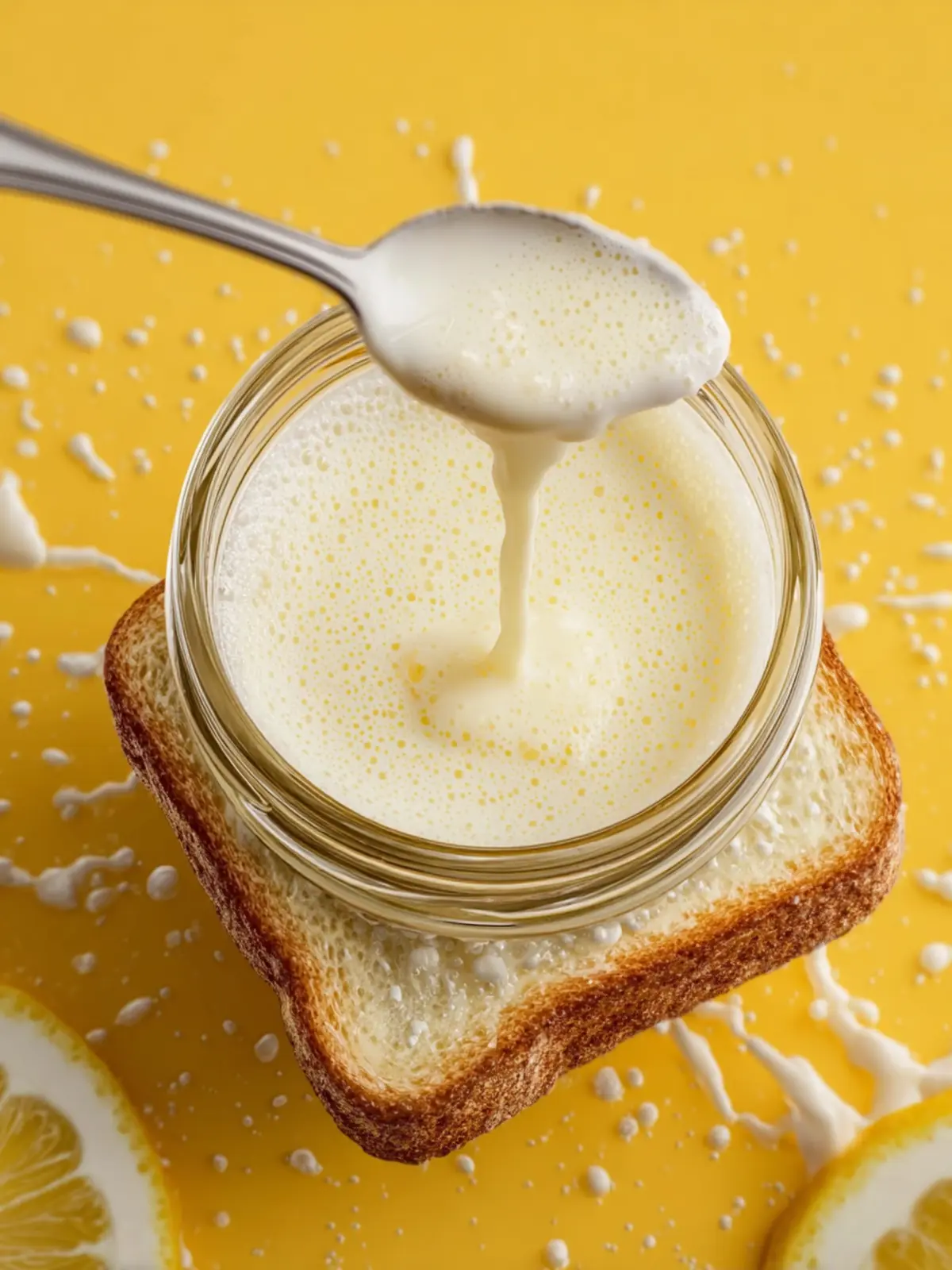
Time Breakdown for Making Vegan Buttermilk
Creating your own vegan buttermilk is not just easy—it can also be a satisfying way to elevate your cooking. The process takes mere minutes, allowing you to whip it up right when you need it for your recipes. Here’s how it breaks down:
Preparation Time
Getting your vegan buttermilk ready only takes about 5 minutes. You’ll need this time to gather your ingredients and mix them together.
Total Time
From start to finish, you’re looking at just 5 minutes. It’s that quick! Once you have your vegan buttermilk ready, you can seamlessly incorporate it into your favorite vegan baking recipes. Whether it’s pancakes or cakes, you’ll be amazed at how a simple mixture can provide such a rich texture and delicious flavor.
Nutritional Facts for Vegan Buttermilk
Calories
When creating your own vegan buttermilk, the calories can vary based on the specific non-dairy milk and vinegar or lemon juice you choose. On average, a serving (1 cup) can contain around 30 to 60 calories. This makes it a guilt-free addition to your favorite recipes, allowing you to enjoy dishes like pancakes or dressings without the extra calories.
Protein
You might be surprised to learn that vegan buttermilk is a decent source of protein, particularly if you’re using fortified plant-based milk such as soy or pea milk. Typically, you’ll get about 1 to 3 grams of protein per cup, depending on the base you select. This helps boost your intake, especially if you’re following a plant-based diet.
Fat
In terms of fat content, vegan buttermilk is generally low fat, with most versions containing less than 3 grams of fat per cup. Since many plant-based milks are low in fat, feel free to use it to create creamy textures without feeling weighed down. This makes it an excellent choice for cooking and baking!
FAQ about Vegan Buttermilk
Vegan buttermilk is a staple in many plant-based kitchens, known for bringing a delightful tang and moisture to baked goods. Whether you’re whipping up fluffy pancakes or a rich cake, understanding how to store and utilize this ingredient can elevate your cooking game. Here are some common questions about vegan buttermilk to help you make the most of it.
How can I store homemade Vegan Buttermilk?
Storing your homemade vegan buttermilk is a breeze. Simply pour it into an airtight container and keep it in the refrigerator. It will typically last for about five to seven days. If you notice any changes in odor or texture, it’s best to toss it out and whip up a fresh batch. For longer storage, consider freezing it in ice cube trays and then transferring the cubes into a zip-top bag. That way, you can conveniently thaw just what you need for your recipes.
Can I use other plant-based milks?
Absolutely! While almond milk and soy milk are popular choices for making vegan buttermilk, you can also try coconut milk, oat milk, or cashew milk. Just remember to add an acid like lemon juice or apple cider vinegar to mimic the acidity of traditional buttermilk. Each type of milk will impart its own flavor, so feel free to experiment to find your favorite combination.
What recipes can I use Vegan Buttermilk in?
The versatility of vegan buttermilk makes it a fantastic addition to various recipes. Here are a few ideas to get you started:
- Pancakes and Waffles: Creates a light, fluffy texture that elevates your breakfast.
- Muffins and Quick Breads: Adds moisture and flavor, making for an irresistible crumb.
- Salad Dressings: Mix it with herbs and spices for a creamy vegan dressing.
- Cakes and Cupcakes: Ensures a tender, moist crumb perfect for any dessert.
With these tips, you’re on your way to mastering the art of incorporating vegan buttermilk into your kitchen endeavors!
Conclusion on Vegan Buttermilk
Incorporating vegan buttermilk into your recipes will not only elevate the flavors but also keep them plant-based and wholesome. This easy-to-make alternative is perfect for those who appreciate the creaminess of traditional buttermilk without the dairy. Remember, the beauty of vegan buttermilk lies in its versatility; it works wonders in pancakes, muffins, and even dressings. As you experiment with this ingredient, don’t hesitate to adjust the ratios of plant milk and acid to suit your palate. With just a few simple steps, you can create a delicious, dairy-free option that enhances your favorite dishes. Enjoy the culinary journey!
Print
Curdled Soy Milk
- Total Time: 5 minutes
- Yield: 1 cup 1x
- Diet: Vegan
Description
This simple recipe explains how to curdle soy milk using lemon juice.
Ingredients
Scale
- 1 cup soy milk
- 1 tbsp lemon juice (sub apple cider vinegar (ACV) or white vinegar)
Instructions
- To a small container, add your soy milk and lemon juice and mix until combined.
- Allow the milk to sit for 3-5 minutes to let it curdle before using.
Notes
- This method can be used as a dairy substitute in recipes.
- Prep Time: 5 minutes
- Category: Vegan, Dairy Alternatives
- Method: No-Cook
- Cuisine: Vegan
Nutrition
- Serving Size: 1 cup
- Calories: 100
- Sugar: 1g
- Sodium: 50mg
- Fat: 4g
- Saturated Fat: 0.5g
- Unsaturated Fat: 3.5g
- Trans Fat: 0g
- Carbohydrates: 6g
- Fiber: 1g
- Protein: 7g
- Cholesterol: 0mg